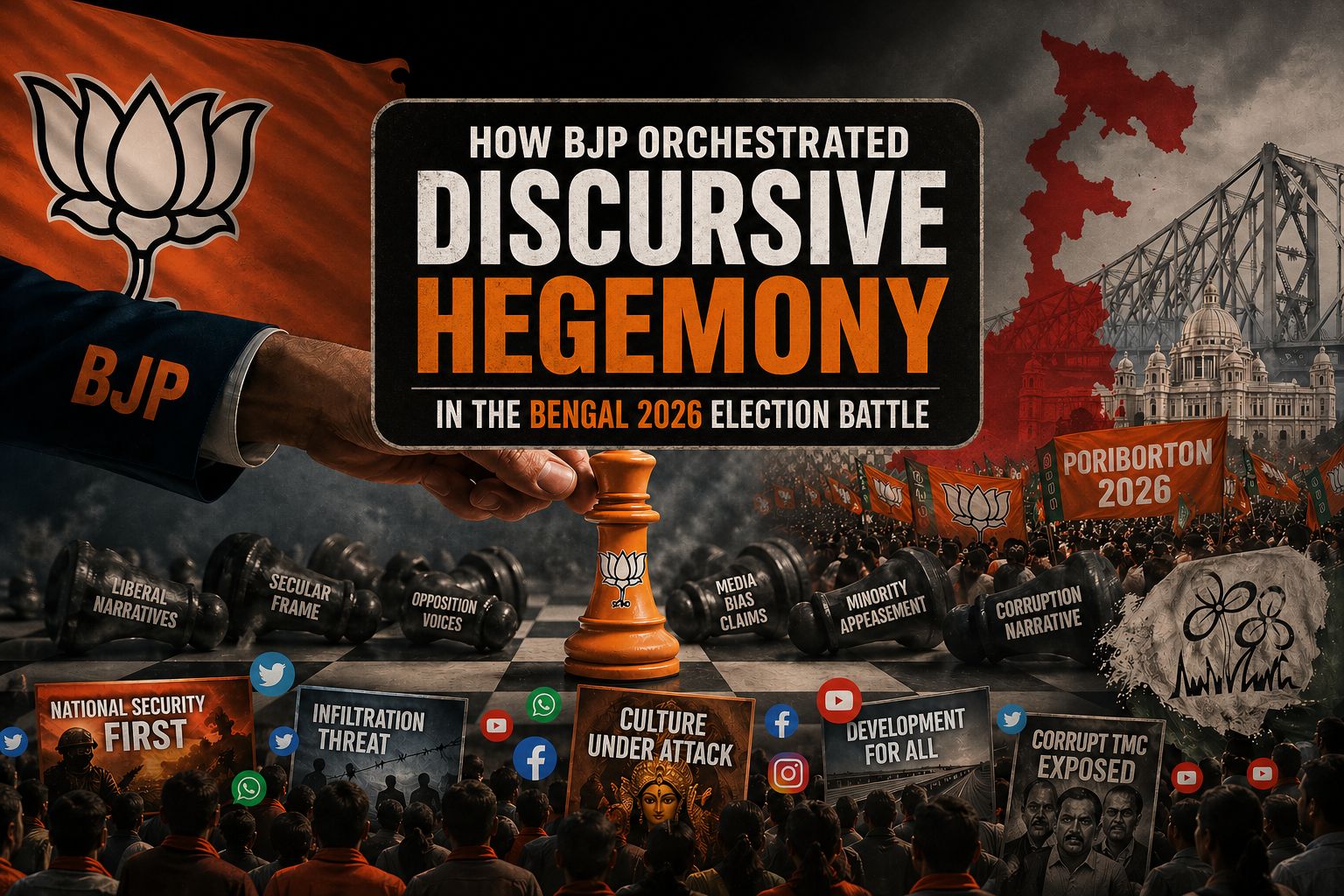
How BJP Orchestrated Discursive Hegemony in the Bengal 2026 Election Battle
By Dr. Rahul Saridena
Official Spokesperson, BJP Telangana

Introduction: A Defining Electoral Crucible
In the crucible of Indian federal politics, where regional satrapies often defy national currents, the 2026 West Bengal Legislative Assembly elections emerge as a paradigmatic contest. Conducted in two phases on 23 and 29 April, with results slated for 4 May, this electoral battle represents far more than a routine democratic exercise. The Bharatiya Janata Party (BJP), which secured just 77 seats in the 2021 Assembly elections against the Trinamool Congress (TMC)’s commanding 215, faced an existential imperative. The challenge was clear: convert its 2019 Lok Sabha success (18 seats) into durable subnational dominance. Rather than relying on transient populist waves, the BJP constructed a sophisticated narrative architecture, reframing the electoral zeitgeist itself. Through calibrated rhetoric, grassroots mobilisation, and the strategic foregrounding of socio-political fault lines, the party sought not merely to challenge TMC dominance, but to redefine the contours of Bengali political identity.
Learning from 2021: Strategic Recalibration
The 2021 verdict served as a critical inflection point. The BJP’s overly centralised and ideologically strident campaign inadvertently strengthened Mamata Banerjee’s “Bengali pride” counter-narrative. Post-defeat introspection, guided by Union Home Minister Amit Shah, led to a decisive strategic pivot. The BJP moved away from overtly nationalistic rhetoric and embraced a more localised, culturally sensitive campaign idiom. This shift was not merely tactical, it reflected a deeper recognition of Bengal’s syncretic ethos, where cultural assimilation outweighs aggressive majoritarian messaging. By April 2026, early indicators, including turnout exceeding 92% in parts of North Bengal and Jangalmahal, suggested that this recalibration had successfully channelled anti-incumbency sentiment into a coherent electoral narrative.
Narrative Discipline: From Personal Attacks to Systemic Critique
A defining feature of the BJP’s 2026 campaign was its restraint in personal rhetoric. Unlike the 2021 “Didi-o-Didi” approach, the party adopted a respectful tone, referring to Chief Minister Mamata Banerjee as “Mamata ji” or “Didi.” Instead of personal invective, the BJP redirected its critique toward systemic governance failures. A detailed “chargesheet” highlighted allegations such as:
● Syndicate raj
● Cut-money extortion
● Institutional subversion
● Corruption scandals (including recruitment irregularities)
This shift reframed the election as a referendum on governance rather than personality, effectively weakening TMC’s moral positioning without triggering regional backlash.
Cultural Indigenisation: Countering the ‘Outsider’ Narrative
To neutralise the “outsider” label, the BJP undertook a deliberate cultural repositioning.
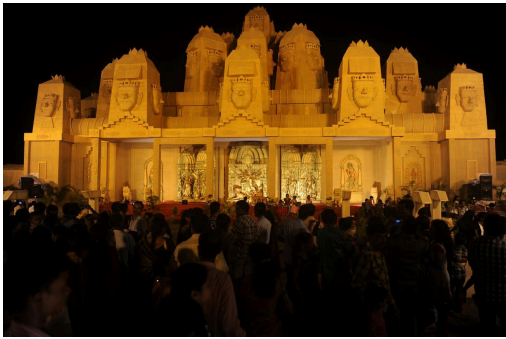
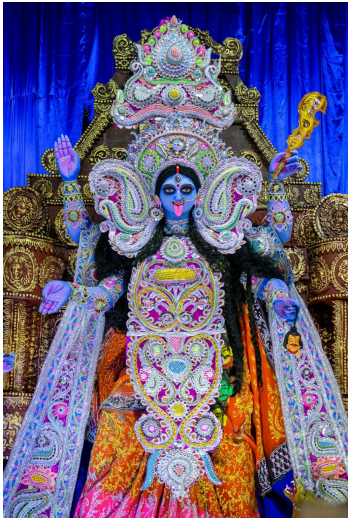
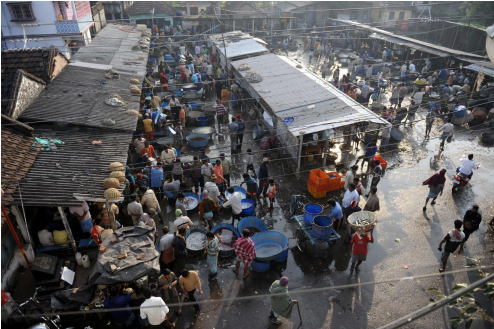
Key elements of this strategy included:
● Elevating local leadership such as Dilip Ghosh and Suvendu Adhikari
● Invoking indigenous cultural symbols like Maa Kali and Maa Durga
● Incorporating everyday Bengali cultural markers, including cuisine.
This marked a clear departure from the earlier dominance of “Jai Shri Ram” rhetoric. Instead, the BJP embedded itself within Bengal’s socio-cultural fabric, challenging TMC’s claim as the sole custodian of Bangaliana.
The Three Pillars of BJP’s Narrative Architecture
1. Women’s Dignity and Security
The BJP foregrounded women’s safety as a central electoral issue, drawing on high-profile incidents such as:
● Sandeshkhali-related allegations
● RG Kar Medical College controversy
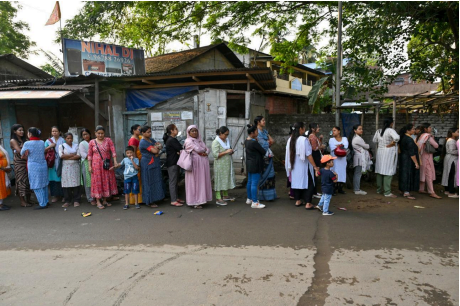
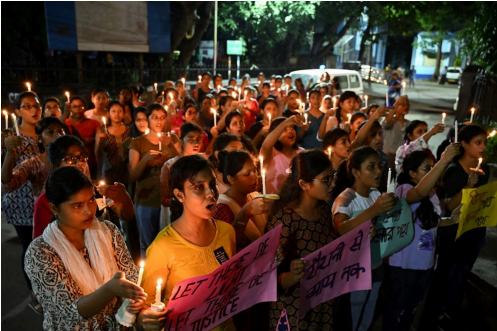
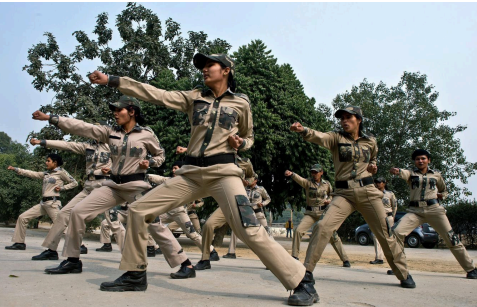
Strategic interventions included:
● Fielding victims’ family members as candidates ● Promising women-only police battalions ● Introducing “Durga Suroksha Squads” ● Committing to 33% reservation in state employment This transformed abstract concerns into emotionally resonant political capital, positioning the BJP as a pro-women alternative.
2. Demographic Anxiety and National Security
The BJP framed border security and demographic change as central concerns. Core elements of this narrative included:
● Strong rhetoric on illegal infiltration
● Emphasis on securing the Siliguri Corridor
● Defense of electoral roll revisions as safeguards against bogus entries
● Advocacy for Citizenship Amendment Act (CAA) implementation
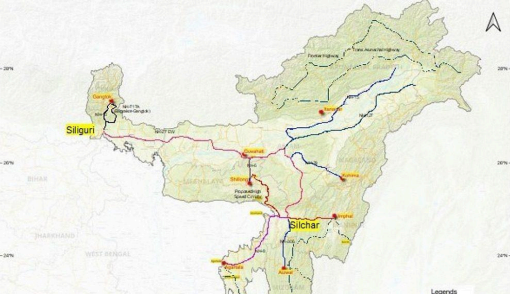
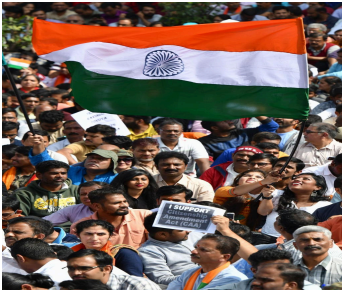
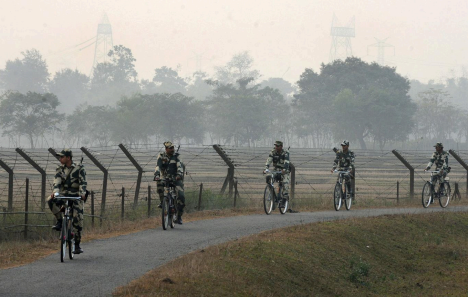
This discourse linked local anxieties with broader national security concerns, consolidating support across key voter segments.
3. Governance, Economy, and Development
The BJP’s critique of governance deficits was paired with a robust policy alternative through its Sankalp Patra (Manifesto).
Key promises included:
● ₹3,000 monthly assistance for women heads of households.
●₹3,000 unemployment allowance
● Creation of 1 crore jobs over five years
● Implementation of the 7th Pay Commission within 45 days
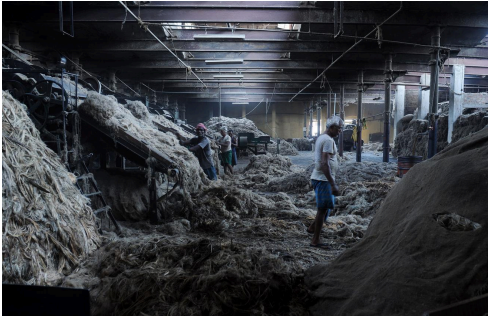
● Agricultural support for rice, potato, and mango farmers
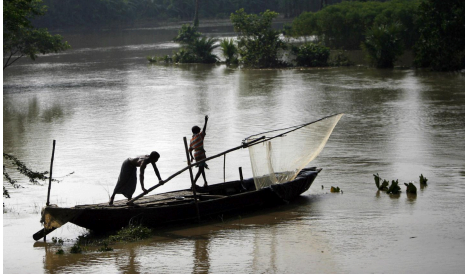
● Expansion of fisheries under PM Matsya Sampada Yojana
● Anti-corruption action against syndicate networks.
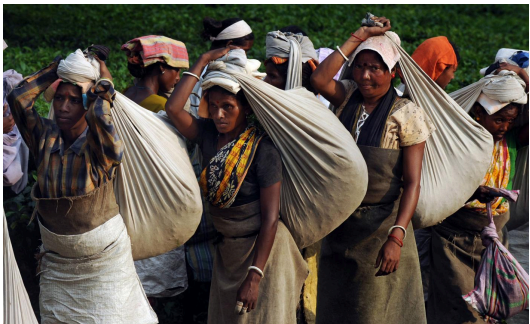
By promising enhanced welfare without dismantling existing schemes, the BJP effectively neutralised TMC’s populist advantage while advancing the idea of “asli poribortan” (real change).
Execution Excellence: Precision Campaigning
The BJP’s narrative was amplified through a highly coordinated campaign apparatus:
● Large-scale rallies by Narendra Modi and Amit Shah
● Strategic use of social media and vernacular media channels
● Booth-level micro-management
● Strong RSS-BJP grassroots coordination
● Internal organisational cohesion
Even cultural references, such as Tagorean symbolism, were carefully integrated to appeal to Bengal’s intellectual and emotional sensibilities.
Electoral Momentum and Ground Reality
As Phase 2 polling concluded on 29 April, several indicators pointed toward shifting momentum:
● High voter turnout, particularly among women
● Increased participation from migrant voters
● BJP’s internal projections showing significant gains.
However, the contest remained competitive due to:
● TMC’s entrenched organisational strength
● Minority vote consolidation
● Fragmentation within opposition alliances
Conclusion: The Politics of Narrative Statecraft
The BJP’s 2026 campaign in West Bengal represents a sophisticated exercise in narrative statecraft. Rather than relying on rhetorical aggression, the party deployed:
● Strategic restraint
● Cultural integration
● Issue-based mobilization
This approach sought to transition Bengal’s politics from patronage-driven structures to governance-centric accountability. Whether this effort culminates in electoral victory or incremental gains remains to be seen. Yet, its broader significance is undeniable:
In modern Indian politics, electoral success is shaped not merely by volume, but by the ability to shape collective imagination.
West Bengal now stands at a potential inflection point, its political future increasingly influenced by the BJP’s recalibrated and deeply embedded narrative strategy.
Comments
Your Comment